


Stocks To Buy Now Blog

Stocks on Radar

Silvercorp Metals Inc. (NYSE-A/TSX: SVM) Making Progress on El Domo Construction as Production Growth Continues in China

Disseminated on behalf of Silvercorp Metals Inc. (NYSE-A/TSX: SVM) and includes paid advertisement.

  • Precious metals producer Silvercorp recently reported one of its strongest quarterly performances from its mines in China and is expanding with development in Ecuador
  • Silvercorp is working to expand ore production at its flagship Ying operations, to obtain the permits to boost mine production, and to commission its El Domo mine by the end of next year

Silvercorp Metals (NYSE American/TSX: SVM) is building on a quarter marked by one of its strongest quarterly revenue and higher gold and silver production from its operations in China with new updates on its growing pipeline in Ecuador. Silvercorp’s profitable operations in China are complemented by construction and development-stage projects in Ecuador, aligning with the company’s strategy of diversifying its asset base through disciplined acquisitions and project development. 

Rising market prices helped lift Silvercorp’s revenue report for gold by 64% year-over-year in its latest quarterly financial report issued Nov. 6. Silver, the most significant contributor to the company’s revenue stream, was responsible for about 67% of the quarterly net revenue. 

“We expect to mine approximately 346,000 tonnes of ore in this current quarter Q3 compared to the 265,000 tonnes mined in Q2,” Silvercorp President Lon Shaver said while discussing the financial report during a conference call with investors Nov. 7 (https://ibn.fm/bTQGf).

“We’re now in the process of applying to increase the TLP-LM mining permit to 600,000 tonnes per year with approval expected later this quarter,” he added in regard to the company’s flagship Ying mine complex in China. “Once all approvals are in place, Ying’s total permitted annual mining capacity will rise to 1.32 million tonnes from approximately 1 million tonnes currently.”

Silvercorp also reported a 249% increase in the amount of material it’s moving for site preparation, roads and channel construction at the El Domo mine in Ecuador. The project is expected to begin production by the end of 2026 with an open pit, taking advantage of a flat-lying deposit that begins just 30 meters from surface (https://ibn.fm/FcFgW).

Once in production, El Domo is expected to increase Silvercorp’s revenue by at least 50%, with a significant contributions from copper and gold (https://ibn.fm/V0tFX). Silvercorp is also working to develop the Condor Gold project in Ecuador, seeking licensing and permits to access Condor’s underground deposits for detailed drilling.

For more information, visit the company’s website at https://silvercorpmetals.com/welcome.

Third-Party Disclaimer:

The IBN website may contain third-party content articles and other content submitted by third parties, including articles submitted through the IBN Premium Partnership Program. All opinions, statements and representations expressed by such third parties are theirs alone and do not express or represent the views and opinions of IBN or its affiliates and owners. Content created by third parties is the sole responsibility of such third parties, and IBN does not endorse, guarantee or make representations concerning the accuracy and completeness of any third-party content. You acknowledge that by IBN providing you with this internet portal that makes accessible to you the ability to view third party content through the IBN site, IBN does not undertake any obligation to you as a reader of such content or assume any liability relating to such third-party content. IBN expressly disclaims liability relating to such third-party content. IBN and its members, affiliates, successors, assigns, officers, directors, and partners assume no responsibility or liability that may arise from the third-party content, including, but not limited to, responsibility or liability for claims for defamation, libel, slander, infringement, invasion of privacy and publicity rights, fraud, or misrepresentation, or an private right of action under the federal securities laws of the United States or common law. Notwithstanding the foregoing, IBN reserves the right to remove third-party content at any time in its sole discretion. By viewing this third-party content, you acknowledge that you have viewed, read fully, accepted and agreed to all terms of the Disclaimer at https://IBN.fm/Disclaimer.
Soligenix Inc. (NASDAQ: SNGX) Receives Strong Vote of Confidence from Zacks Report Despite Muted Market Response to Clinical Milestone

  • The report maintains $25 per share valuation for Soligenix, based on a probability-adjusted discounted cash flow model that considers potential future revenues.
  • The centerpiece of the Zacks analysis focuses on what is characterized as a “very encouraging” 48% blinded response rate.
  • With 50 patients now enrolled out of a planned 80-patient study, the company remains on track for the interim analysis to occur in the second quarter of 2026.

When a late-stage clinical trial reports response rates nearly double what researchers expected, yet the stock market barely reacts, seasoned analysts take notice and wonder if investors are missing something significant. Soligenix (NASDAQ: SNGX), a New Jersey-based biopharmaceutical company focused on developing products to treat rare diseases where there is an unmet medical need, recently received updated analysis from Zacks Small-Cap Research following its announcement that milestone enrollment had been reached in the ongoing confirmatory Phase 3 FLASH2 trial of HyBryte(TM) for the treatment of cutaneous T-cell lymphoma, with the overall blinded response rate standing at 48% for patients who have completed treatment (https://ibn.fm/Ol9Er).

In the Nov. 20, 2025, research report published by Zacks Small-Cap Research, expert analysis indicated strong conviction about the 50-patient enrollment milestone and encouraging clinical results while noting puzzlement at the market’s subdued response. The report maintains Zacks’ $25 per share valuation for Soligenix, based on a probability-adjusted discounted cash flow model that considers potential future revenues from the company’s product pipeline, including HyBryte, SGX302 and SGX945. This valuation represents substantial upside potential from the stock’s Nov. 20, 2025, closing price of $1.32, though the report acknowledges the model is dependent upon continued clinical success and will be adjusted accordingly based upon future results.

The centerpiece of the Zacks analysis focuses on what is characterized as a “very encouraging” 48% blinded response rate. To understand why this figure carries such weight, the report walks readers through the statistical assumptions that underpinned the FLASH2 study design. Soligenix powered the trial using an anticipated overall blinded study response rate of 25%, which incorporated conservative assumptions of a 40% response rate in the HyBryte treatment arm and a 10% response rate in the placebo arm through 18 weeks of treatment. The 25% blinded rate represents the average of these two figures, assuming roughly equal enrollment between treatment and placebo cohorts. While acknowledging that exact numbers may vary, the report emphasizes that the fundamental point remains compelling: for the blinded response rate to reach 48%, the active treatment arm is likely exhibiting a very robust response rate.

This mathematical analysis gains additional credibility when compared against ongoing independent research. Dr. Ellen Kim, director of the Penn Cutaneous Lymphoma Program and lead investigator of the FLASH2 study, has reported a 75% response rate after 18 weeks of treatment in an open-label, investigator-initiated study (“IIS”) currently being conducted at the University of Pennsylvania (https://ibn.fm/0wPtV). The Zacks report notes that if the blinded FLASH2 data were to suggest an 86% response rate in the active arm, this would actually exceed even Kim’s impressive 75% finding.

The report explicitly addresses what it calls a puzzling market reaction to the enrollment milestone announcement. Despite what the report views as highly encouraging clinical data, the stock price response was muted. The Zacks analysis concludes that “unless there is an unprecedented response rate among placebo-treated patients, we estimate that the response rate in the HyBryte cohort is likely similar to that seen in the ongoing IIS of 75%.” The report notes that “we were somewhat perplexed by the muted response by the stock” given what it views as very encouraging results.

The timing implications also receive significant attention in the Zacks report. With 50 patients now enrolled out of a planned 80-patient study, the company remains on track for the interim analysis to occur in the second quarter of 2026. This interim analysis, to be conducted by an independent Data Monitoring Committee, represents a critical inflection point for the program.

The valuation methodology employed by Zacks centers on a probability-adjusted discounted cash flow model that incorporates potential future revenues from three key pipeline assets: HyBryte for cutaneous T-cell lymphoma, SGX302 for psoriasis and SGX945 for Behçet’s disease. The commercial opportunity underlying the Zacks valuation becomes clearer when considering the patient population. Cutaneous T-cell lymphoma affects approximately 31,000 individuals in the United States with approximately 3,200 new cases annually. Currently, there is no FDA-approved first-line therapy specifically for early-stage CTCL, creating an opportunity for HyBryte to potentially become the first photodynamic therapy to receive such approval if the FLASH2 trial proves successful.

Looking ahead, the second quarter 2026 interim analysis represents the next major catalyst for Soligenix. The Zacks report expresses confidence that the trial is trending in the right direction based on the 48% blinded response rate, stating that “this update gives us a lot of confidence that the trial is at the very least trending in the right direction.” With no changes to the financial model following the enrollment milestone, the valuation remains at $25 per share, representing the report’s view that the risk-reward profile remains attractive for investors willing to accept the inherent uncertainties of late-stage clinical development.

For more information, visit www.Soligenix.com.

NOTE TO INVESTORS: The latest news and updates relating to SNGX are available in the company’s newsroom at https://ibn.fm/SNGX

A2Z Cust2Mate Solutions Corp. (NASDAQ: AZ) Advancing Retail Innovation Through AI-Powered Smart-Cart Technology

  • A Coresight Research report highlights how AI is underpinning every stage of grocery retail.
  • Smart carts, an area where A2Z is an established leader, are highlighted in the report as one of the most transformative tools in this shift.
  • The company’s smart cart turns mass marketing into “me marketing” by using AI to tailor promotions, recommendations, content and advertisements based on each shopper.

The rapid transformation of the retail sector has made artificial intelligence (“AI”) one of the most important forces reshaping shopper behavior, and few companies are better positioned within this shift than A2Z Cust2Mate Solutions (NASDAQ: AZ), an innovator in AI-powered smart-cart technology that enables seamless in-store checkout, personalized promotions and real-time data intelligence. A2Z provides retailers with an advanced platform that blends automation, shopper analytics and frictionless checkout to improve margins and enhance the customer experience.

A recent Coresight Research report highlights how AI is underpinning every stage of grocery retail, from demand forecasting and shelf analytics to checkout automation and hyper-personalized engagement. Titled “Five Ways AI Is Being Used in Grocery and Mass Retailing—and What’s Next,” the report notes that retailers deploying AI-driven demand planning tools have already reduced food waste, improved availability and increased sales through data-driven decisions.

Smart carts, an area where A2Z is an established leader, are highlighted in the report as one of the most transformative tools in this shift, enabling shoppers to check out directly from the cart and allowing retailers to collect detailed, real-time information about purchasing behavior. In fact, the report notes that 63% of U.S. smart-cart users value faster checkout above all other features, reflecting growing demand for frictionless shopping experiences.

The report observes that retailers deploying AI-driven demand planning tools have already reduced food waste, improved availability and increased sales through data-driven decisions. AI-enabled, shelf-monitoring robots are detecting out-of-stocks and pricing inconsistencies in real time, reducing labor demands and improving accuracy. In addition, Coresight reports that grocers increasingly rely on computer vision tools, automated shelf tracking and robotics to enhance operations and reduce losses, improving the customer experience through better-stocked and better-managed stores.

Coresight also emphasizes the rising importance of seamless checkout solutions powered by computer vision and smart sensors. These technologies reduce theft, minimize scanning errors and generate valuable data that retailers can use to personalize promotions and improve store layouts.

Coresight interviewed Cust2Mate chief marketing officer Yaniv Zukerman, who explained that the company’s smart cart turns mass marketing into “me marketing” by using AI to tailor promotions, recommendations, content and advertisements based on each shopper’s behavior, preferences, real-time activities, basket content and location in the store.

“Cust2Mate smart carts track activities and events in real time, they create a closed-loop system where every offer is measurable, personal and performance-driven,” the report noted. “By integrating real-time shopper insights with promotional strategies, grocers can help brands deliver more targeted campaigns. . . . This helps align the interests of retailers, suppliers and shoppers alike, and creates value for the shopper, builds trust and long-term loyalty and drives effective and impactful promotional performance for retailers and CPG companies.”

The report describes how Cust2Mate creates a closed-loop system in which every offer is measurable and performance driven, yielding better outcomes for retailers, brands and customers. It also details measurable results from Cust2Mate deployments, including up to a 50% increase in basket size, a 15% uplift in basket value and an average of more than 60% of shoppers returning to use the carts regularly. These metrics highlight both consumer satisfaction, reflected in a 4.3 out of 5 average rating, and strong operational efficiencies, with many retailers removing multiple traditional checkout lanes as a result of smart cart adoption.

As the Coresight report illustrates, the industry is on the cusp of an agentic-AI era in which virtual agents autonomously complete shopping tasks, compare prices and streamline purchasing for consumers. In this environment, retailers will increasingly depend on systems that provide high-quality, structured product data and real-time visibility into shopper behavior.

This is precisely where A2Z Cust2Mate stands out. By integrating AI, computer vision and retail analytics directly into the shopping cart, which is the most central touchpoint in the physical store, the company provides retailers with the tools needed to thrive in a landscape defined by automation, personalization and data-driven decision-making.

As more retailers accelerate the digitalization of their stores, solutions such as Cust2Mate are poised to play an even greater role in shaping the next chapter of grocery and mass retail. By delivering a uniquely integrated combination of frictionless checkout, personalized engagement, operational efficiency and real-time analytics, A2Z Cust2Mate Solutions Corp. has positioned itself as one of the leading technology providers in an industry moving rapidly toward automation and AI-enabled intelligence.

For more information, visit www.Cust2Mate.com.

NOTE TO INVESTORS: The latest news and updates relating to AZ are available in the company’s newsroom at https://ibn.fm/A2Z

Powermax Minerals Inc. (CSE: PMAX) (OTCQB: PWMXF) Targets Unexplored Segment of its Atikokan REE Property in Northwestern Ontario with High-Resolution Geophysical Survey

Disseminated on behalf of Powermax Minerals Inc. (CSE: PMAX) (OTCQB: PWMXF) and may include paid advertising.

  • Powermax Minerals has completed a 1,409-line-kilometre high-resolution airborne magnetic and radiometric survey over its Atikokan REE Property in northwestern Ontario.
  • The survey, conducted by Geo Data Solutions GDS Inc., met Natural Resources Canada and IAEA standards for data quality.
  • Results will help refine structural and lithological interpretations and guide exploration targeting in an underexplored segment of the Atikokan metasedimentary belt.
  • The Atikokan project is one of four REE properties Powermax is advancing across Canada and the United States.
  • Rising global demand for rare earth elements continues to strengthen the case for new domestic supply in stable jurisdictions.

Powermax Minerals (CSE: PMAX) (OTCQB: PWMXF), a Canadian mineral exploration company, has taken another step forward in its rare earth exploration efforts in northwestern Ontario, announcing the completion of a high-resolution airborne geophysical survey at its Atikokan REE Property. The helicopter-borne magnetic and radiometric survey, carried out by Geo Data Solutions GDS Inc., covered 1,409 line kilometers and was designed to improve geological understanding and identify potential mineralized zones across the 9,416-hectare property, according to a recent company release (https://ibn.fm/Sj3NY).

The survey used 50-meter line spacing and 500-meter tie lines to generate detailed magnetic and gamma-ray spectrometric datasets. The Eurocopter Astar 350BA+ maintained an average clearance of 44 meters, allowing for consistent data acquisition across varied terrain. All work was completed under Natural Resources Canada and International Atomic Energy Agency airborne spectrometry standards, the company said.

Magnetic noise levels remained within acceptable limits, GDS reported, while GPS accuracy and drape-following performance contributed to stable readings. Calibration of potassium, thorium, and uranium signatures produced consistent results likely to support the identification of lithological changes and possible mineralized systems within the Atikokan metasedimentary belt.

Powermax CEO Paul Gorman said the dataset would help define structural trends that influence rare earth mineralization. “Completion of this high-resolution airborne survey marks a major step forward in advancing our Atikokan REE Property. The quality of the data is excellent and will allow us to enhance our understanding of the structural framework that controls mineralization in this underexplored part of the Atikokan metasedimentary belt,” Gorman added. “We look forward to integrating these geophysical results with ongoing geological interpretation and ground follow-up work.”

Post-flight data processing was conducted using Geosoft Montaj and Praga NASVD software to improve the signal-to-noise ratio. Deliverables include digital databases, GeoTIFF maps, and terrain models at 1:30,000 scale. Powermax plans to use the combined datasets to establish drill-ready targets for trenching or diamond drilling in a subsequent phase of exploration.

The Atikokan property lies within a structurally active corridor between the Wabigoon and Quetico sub-provinces, areas known for granitic rare earth and lithium-bearing pegmatites. The company optioned the project as part of a broader strategy to develop rare earth assets across multiple North American jurisdictions.

Powermax is currently progressing four rare earth element projects. In British Columbia, its Cameron project sits south of Revelstoke and has returned total rare earth oxide values of up to 1,943 ppm in Phase 1 sampling. In Wyoming, the company’s Ogden Bear Lodge project borders the Bear Lodge district, an area receiving interest from the U.S. Department of Energy and export credit agencies. Powermax also recently optioned the Pinard property in Ontario, located within a prospective alkaline intrusive complex.

The company’s exploration portfolio is expanding against a backdrop of intensifying rare earth demand. Global market projections point to substantial growth, with the sector expected to increase from US$3.95 billion in 2024 to US$6.3 billion by 2030 (https://ibn.fm/RwOyh). Consumption of rare earth oxides is forecast to rise from 59,000 tonnes in 2022 to 176,000 tonnes by 2035 as electric vehicles, wind turbines, and electronics manufacturing continue to scale (https://ibn.fm/Nq7a0).

Supply concentration remains high. China accounts for about 60% of mining output and 90% of processing capacity. Recent export curbs have heightened supply-chain risks and reinforced the strategic value of rare earth development in stable jurisdictions such as Canada and the United States.

Policy support is strengthening as well. In 2025, Canada continued deploying capital through its Critical Minerals Infrastructure Fund, while the U.S. expanded Defense Production Act funding to stimulate domestic rare earth and magnet supply chains. These initiatives aim to accelerate project development and reduce reliance on foreign processing.

Powermax’s multijurisdictional rare earth strategy, combined with policy momentum, positions it to benefit from a market increasingly driven by electrification and security-of-supply considerations. The company expects to complete further data interpretation in the coming months, followed by ground-based work to assess identified anomalies. Whether the Atikokan property advances toward drilling will depend on the integration of the current survey with geological and geochemical findings already underway.

For more information, visit the company’s website at www.PowermaxMinerals.com.

NOTE TO INVESTORS: The latest news and updates relating to PWMXF are available in the company’s newsroom at https://ibn.fm/PWMXF

Numa Numa Resources Inc., Local Landowners Partner to Develop Mainoki Mining Opportunity

Disseminated on behalf of Numa Numa Resources Inc. and may include paid advertisements.

  • Numa Numa Resources Inc. has taken a central role through newly formed agreements that establish a dedicated entity to advance Mainoki’s resource potential.
  • One of these entities governs the Mainoki region, a geologically promising area that has drawn interest for its reported mineralization and exploration potential.
  • The Mainoki region itself represents one of Bougainville’s most compelling untapped opportunities.

The Mainoki region of Bougainville is emerging as one of the island’s most compelling new frontiers for mineral development, drawing attention for its geological promise at a time when global demand for copper and gold is accelerating (https://ibn.fm/00Osk). With its location inside one of the Pacific’s most resource-rich geological belts, Mainoki is increasingly viewed as a potential contributor to Bougainville’s long-term economic future as the island pursues greater self-determination and responsibly managed growth. With this in mind, Numa Numa Resources, an infrastructure developer and mining investor working closely with Bougainville landowners, has taken a central role through newly formed agreements that establish a dedicated entity to advance Mainoki’s resource potential.

Bougainville’s mining history is both globally significant and central to Papua New Guinea’s broader resource landscape. The island is home to the Panguna Mine, which was once among the largest open-pit copper and gold mining operations in the world. One study estimated the Panguna deposit at roughly 1.8 billion tonnes of ore, containing 5.3 million tonnes of copper and 19.3 million ounces of gold.

Bougainville’s geology is defined by the same tectonic and magmatic forces that created many of the Pacific’s richest mineral belts, placing it within the Papua New Guinea Orogenic Belt, a region known for producing world-class copper, gold and silver deposits. Research shows that this tectonic convergence zone consistently yields porphyry copper systems, epithermal gold deposits and other mineral-rich formations, providing strong geological support for renewed exploration across Bougainville (https://ibn.fm/UIHeT).

As Bougainville moves through a period of political transition following its 2019 independence referendum, its natural resources have become a core pillar of long-term economic planning. The referendum, which recorded a 97.7% vote in favor of independence, demonstrated the population’s desire for political and economic self-determination. Responsible, landowner-led mining is expected to play an essential role in financing future government services, infrastructure and long-term economic stability. The World Bank’s “Papua New Guinea Economic Update” for June 2025 reports that Papua New Guinea’s growth is driven by gold and copper production, and also emphasizes the need for structural reforms and private investment to unlock potential (https://ibn.fm/wuQJQ).

Numa Numa Resources has introduced a development model designed to align with Bougainville’s landowner-centered governance. The company has executed written agreements establishing three new jointly owned entities with landowner groups, each responsible for managing mineral rights and development within its own region under Bougainville’s legal framework. Each entity is structured so that all landowner resource rights are held within the company, jointly managed by Numa Numa and the landowner leadership.

One of these entities governs the Mainoki region, a geologically promising area that has drawn interest for its reported mineralization and exploration potential. This agreement formalizes a structure in which Mainoki landowners retain ownership while benefiting from professional management, infrastructure investment and technical expertise.

The Mainoki region itself represents one of Bougainville’s most compelling untapped opportunities. Situated within the island’s structurally complex mineral belt, the area is believed to contain copper-gold systems consistent with the island’s broader geological profile. Although specific reserve estimates for Mainoki have not yet been publicly detailed, the region’s proximity to known mineralized zones is notable.

Regional studies in Papua New Guinea and the Solomon Islands show that Bougainville lies within a magmatic arc that has generated numerous porphyry copper and epithermal gold systems, many of them related to Miocene–Pliocene volcanic activity (https://ibn.fm/NQE5H). Mainoki’s setting near volcanic and intrusive rock formations is consistent with areas that have historically hosted large-scale copper and gold deposits, and local landowner reports paired with initial fieldwork suggest that the region contains multiple zones of interest for further exploration (https://ibn.fm/4k0de).

As Bougainville seeks pathways for responsible, community-supported resource development, Mainoki is increasingly viewed as a potentially significant contributor capable of supporting new investment, employment and infrastructure advancements. Its development is expected to follow the principles outlined in Bougainville’s Mining Act, which emphasizes landowner consent, environmental stewardship and transparent governance.

Numa Numa’s role in advancing Mainoki is centered on building the early-stage foundation for exploration, infrastructure and development planning. The company’s model is aligned with Bougainville’s emphasis on local participation, ensuring landowners remain direct beneficiaries of resource activity. As the company deepens its work in the region, supported by newly created entities co-owned with landowners, it aims to apply international standards of technical assessment and development planning, helping position Mainoki as a viable future mining district.

For more information, visit www.NumaNumaResources.com.

NOTE TO INVESTORS: The latest news and updates relating to Numa Numa are available in the company’s newsroom at https://ibn.fm/NUMA

Forward Industries Inc. (NASDAQ: FWDI) Positive Update for Shareholders After Debuting the Company’s Solana Treasury Strategy

  • Forward Industries sent out a press release to update shareholders on the company after it recently launched the Solana treasury strategy.
  • In the update, FWDI shares several operational highlights, as well as information on the company’s expanding treasury.
  • Highlights include deals, partnerships, programs, product launches, leadership changes, and more.

Forward Industries (NASDAQ: FWDI), a Solana treasury company, recently released a shareholder update following the debut of the company’s Solana treasury strategy (https://ibn.fm/S14Up).

The update contains multiple highlights and milestones achieved since the launch of this strategy, including FWDI closing a $1.65 billion private placement led by Galaxy Digital, Multicoin Capital, and Jump Crypto.

The update also outlined a leadership changes, including appointment of Ryan Navi as Chief Investment Officer, and bringing on Georgia Quinn as General Counsel. In addition, the company created a crypto advisory board, announcing the first 25 member representing extensive experience in areas like capital markets, digital assets, financial services, and the Solana ecosystem.

The company also launched an institutional-grade validator on the Solana blockchain, Forward’s Proprietary Automated Market Maker (“PropAMM”), as well as fwdSOL, which is the company’s liquid staking token to maximize the yield from staked Solana (SOL). The update mentions an important partnership with fintech firm Superstate that allows stockholders to tokenize and hold FWDI shares on the SOL blockchain.

Other key highlights include the company completing a tax optimization process, changing the ticker symbol from “FORD” to “FWDI”, authorizing a share repurchase program to repurchase up to $1 billion of the company’s common stock, and announcing an at-the-market equity offering program.

In addition to key highlights, the press release included details about the treasury itself. As of December 1st, 2025, the company holds over 6.9 million SOL. Since inception the company’s validator infrastructure has generated between 6.82% and 7.01% annual percentage yield (“APY”) before fees, which outperforms top peer validators. The company is also debt-free, and has $30 million of operating capital between USDC reserves and cash.

Speaking about the strategy and what the future holds, Chairman of Forward Industries, Kyle Samani, said “Since the inception of our Solana treasury strategy in September, Forward Industries has rapidly built the largest Solana treasury in the world and established an institutional-grade foundation capable of compounding long-term SOL-per-share.”

He added that “In just a matter of weeks, we have accumulated more than 6.9 million SOL, deployed nearly all of it across our high-performance validator infrastructure launched in October, and implemented tax-efficient strategies that meaningfully strengthened our capital position. As we pursue initiatives such as bringing our equity on-chain and executing on accretive M&A, we believe we are well-positioned to continue to expand our SOL treasury and compound SOL-per-share. We believe this is just the beginning, and we remain committed to delivering sustainable long-term shareholder value as we build the primary public markets gateway to Solana.”

About Forward Industries, Inc. (NASDAQ: FWDI)

Forward Industries, Inc. is a company that’s building and managing a large-scale Solana treasury. The company’s strategy centers on creating shareholder value by actively participating within the Solana ecosystem and deploying assets through on-chain opportunities like staking and lending.

For more information, visit the company’s website at www.forwardindustries.com.

NOTE TO INVESTORS: The latest news and updates relating to FWDI are available in the company’s newsroom at https://ibn.fm/FWDI

Ucore Rare Metals Inc. (TSX.V: UCU) (OTCQX: UURAF) Secures Funding to Strengthen North American Supply Chain

Disseminated on behalf of  Ucore Rare Metals Inc. (TSX.V: UCU) (OTCQX: UURAF) and may include paid advertising.

  • The Canadian funding package includes up to C$26 million from Natural Resources Canada through its Critical Minerals Infrastructure Fund, along with as much as C$10 million from FedDev Ontario.
  • Ucore’s facility will utilize Ucore’s proprietary RapidSX(TM) processing technology, which is designed to separate rare earth elements more efficiently than conventional solvent extraction.
  • Ultimately, the conditional funding enables Ucore Rare Metals to advance a Canadian solution to one of the most pressing mineral supply challenges facing North America.

The race to secure reliable supplies of rare earth elements vital to defense, clean energy and advanced manufacturing has gained new momentum in Canada. Ucore Rare Metals (TSX.V: UCU) (OTCQX: UURAF) has received conditional approval for up to C$36.3 million in funding from the government of Canada to support the development of a dedicated rare earth processing facility in Kingston, Ontario. The investment positions Ucore at the center of a strategy to reduce Western dependence on offshore separation and refining, particularly from China, which controls an estimated 70% of global rare earth mining and up to 90% of processing capacity according to the International Energy Agency (https://ibn.fm/39bOx).

According to Ucore, the Canadian funding package includes up to C$26 million from Natural Resources Canada through its Critical Minerals Infrastructure Fund, along with as much as C$10 million from FedDev Ontario (https://ibn.fm/uCJl1). The capital will help establish a processing pathway for the rare earth elements samarium and gadolinium, which are essential to permanent magnet production and high-temperature defense applications.

The facility will utilize Ucore’s proprietary RapidSX(TM) processing technology, which is designed to separate rare earth elements more efficiently than conventional solvent extraction. RapidSX offers a potentially more scalable and environmentally conscious alternative, with the aim of producing high-purity oxides used in magnet manufacturing for electric vehicles, wind turbines, precision-guided weapons and other systems vital to North American supply chain resilience.

The funding announcement is part of a broader Canadian initiative supporting 25 new critical minerals investments and partnerships across nine allied countries, intended to strengthen resource security and reduce geopolitical risk (https://ibn.fm/My7uS). These policies follow rising concerns over export restrictions in China, where recent control measures have tightened oversight of materials including rare earth magnets, gallium and germanium. Defense analysts warn that these measures could disrupt access to components used in everything from night-vision systems to fighter jet engines, according to reporting from Defense One (https://ibn.fm/CM2eN). By establishing domestic refining capacity, Ucore aims to serve industries that are directly affected by these strategic constraints.

North American policymakers have identified rare earth magnet supply as a particular vulnerability, especially in defense programs. The U.S. Department of Defense has described rare earths as essential to guidance, propulsion and control systems in weapons platforms, and both the United States and Canada have accelerated programs to restore mining, refining and manufacturing capacity within the region. The Kingston project complements Ucore’s work in Louisiana, where the company is developing its Strategic Metals Complex to support heavy and light rare earth separation.

Ucore’s advancement in Kingston aligns with joint U.S.–Canadian critical minerals strategies intended to strengthen secure industrial supply chains, enhance interoperability in defense procurement and reduce reliance on adversarial jurisdictions. Natural Resources Canada emphasized that the Critical Minerals Production Alliance is intended to support economic growth and industrial transformation by scaling up responsible production and processing. Canada is already a leading supplier of nickel, cobalt and graphite, and now intends to expand downstream refining for rare earth elements.

The Kingston facility is expected to play a pivotal role in the development of a robust Western rare earth processing network. As global electrification accelerates, demand for rare earth elements used in permanent magnets is projected to grow significantly. The International Energy Agency estimates that demand for rare earths used in clean energy technologies could increase three-to-sevenfold by 2040 depending on the pace of global energy transition.  For Ucore, the project represents not only a commercial opportunity but also a strategic industrial contribution with national security implications.

Ultimately, the conditional funding enables Ucore Rare Metals to advance a Canadian solution to one of the most pressing mineral supply challenges facing North America. With the Kingston facility, Ucore aims to produce strategic materials that feed electric vehicle, renewable energy and defense systems at a time when reliable access is increasingly viewed as a sovereign capability. If successful, the project would mark a foundational step toward reshoring rare earth refining and reducing reliance on overseas processors, helping to secure a more resilient technology manufacturing base in the years ahead.

For more information, visit www.Ucore.com.

NOTE TO INVESTORS: The latest news and updates relating to UURAF are available in the company’s newsroom at https://ibn.fm/UURAF

Site visit: Silvercorp’s Flagship Ying Mining District continues to impress analysts

Disseminated on behalf of Silvercorp Metals Inc. (NYSE-A/TSX: SVM) and includes paid advertisement.

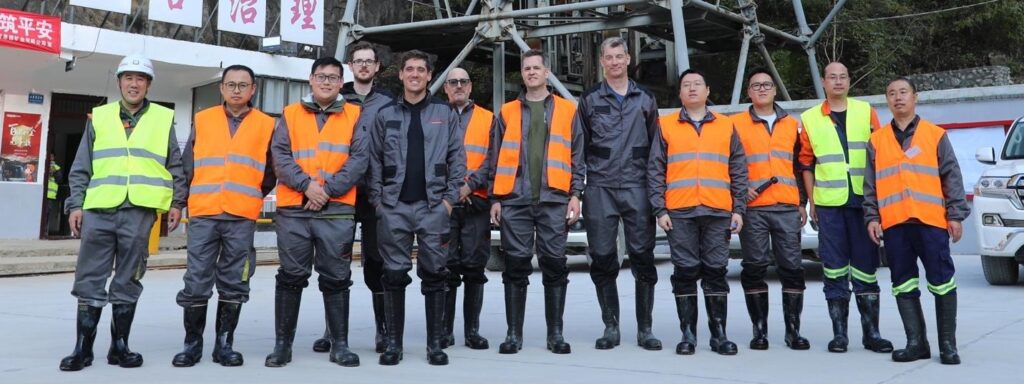
Silvercorp management and staff with analysts at the Ying Mining District site in Henan Province, China. SILVERCORP METALS

Silvercorp Staff, December 2025

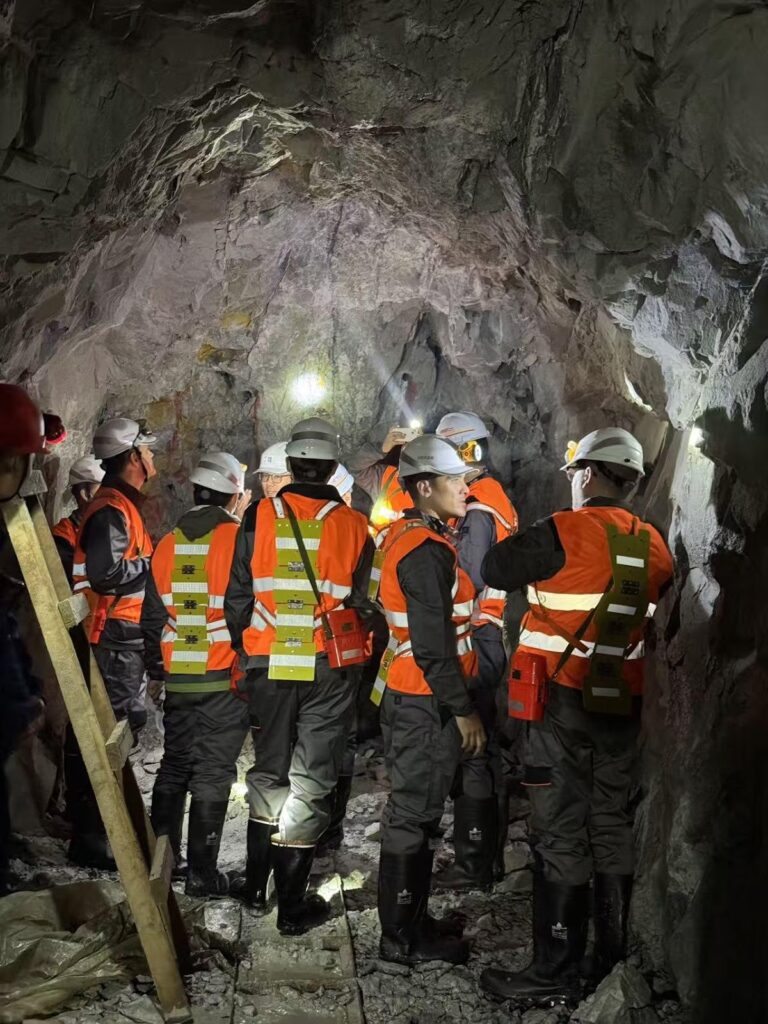
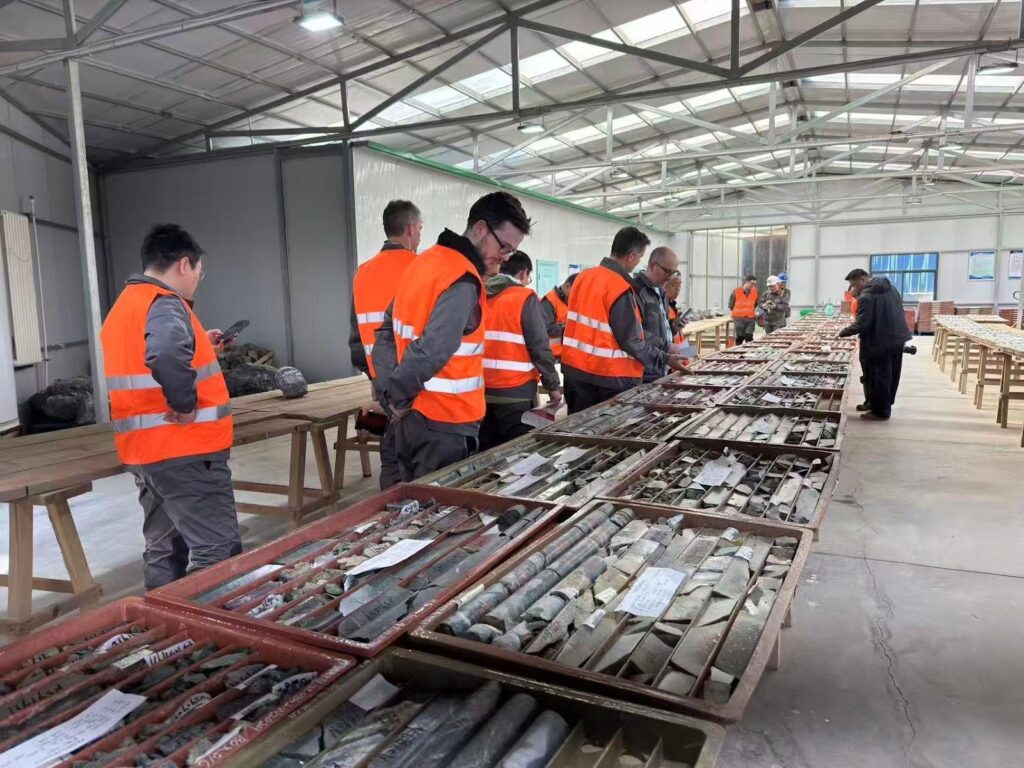
At the largest primary silver mine in China, Vancouver-based Silvercorp Metals (NYSE American: SVM, TSX: SVM) continues to expand capacity and extend the life of the project. These achievements were evident to a group of analysts and investors visiting the site in late October, who observed why Ying will remain a high quality asset for years to come.

Located in Henan Province, Ying is about 780 kilometres southwest of Beijing and consists of seven different underground mines that feed two mills. Over 3,000 contractors and staff are employed at Ying, which has a footprint of approximately 69 square kilometres.

For Matthew O’Keefe, a Senior Research Analyst for metals and mining from Cantor Fitzgerald’s Toronto office, the site visit to Ying left him simply, “quite impressed.” As he explained in a client equity research note about his visit, “Ying operations are running smoothly and our recent site visit highlighted recent and ongoing site improvements that will support further growth and longevity.”

Guests visiting one of the core shacks at Ying. SILVERCORP METALS

Capital Investments

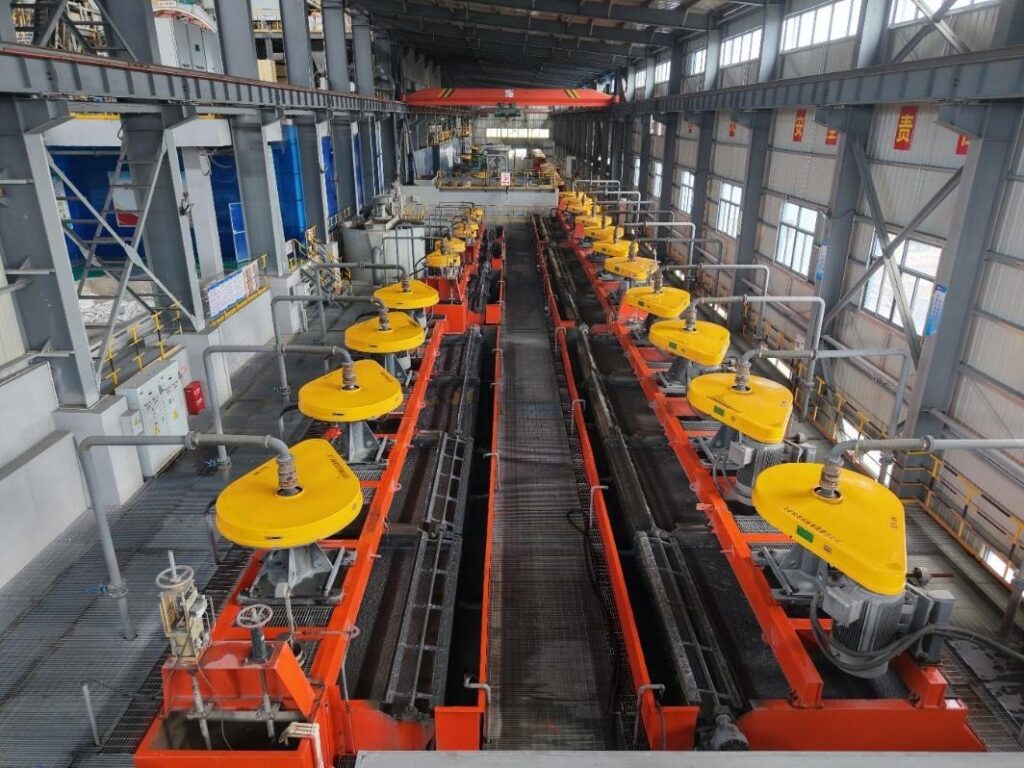
The analysts saw firsthand Silvercorp’s latest capital investments at the site, most significantly the expansion at mill No. 2, completed late last year, which increased Ying’s overall throughput to 4,000 tonnes per day (tpd) from 2,500. The expansion added a ball mill and a parallel flotation production line that produces silver-lead and zinc concentrates. The company is also testing an X-ray transmission (XRT) ore-sorting system to help improve ore head grades.

As O’Keefe points out, the new construction was completed on time, under budget and with a relatively low capex (less than US$7M) due, in part, to easy access to equipment and skilled labour—just one of the many advantages of operating in China.

And while the new mill was intended to have an effective capacity of 1,500 tpd, it has proven to be even more efficient.

“The mill has routinely run at 1,800 tpd capacity, and total milling capacity at Ying is currently over 1.3 million metric (MM) tonnes per annum (tpa),” commented O’Keefe, while also pointing to other capital investments that support long-term production.

The new flotation production line at Ying. SILVERCORP METALS

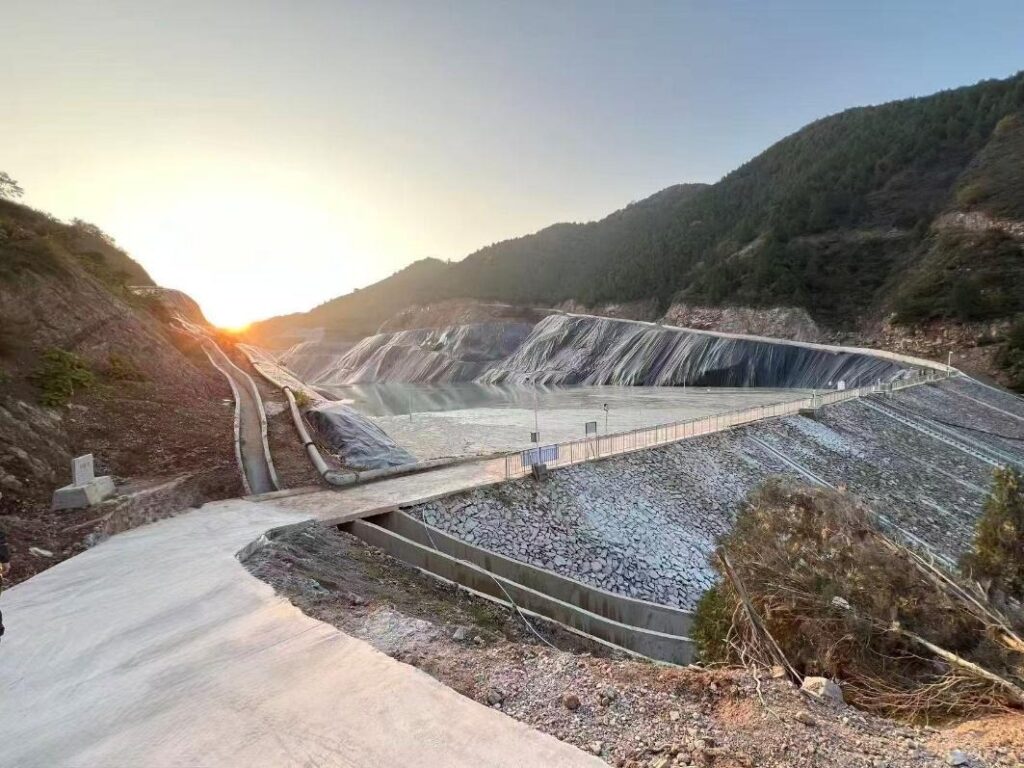
“Silvercorp also completed the construction of tailings storage facility (TSF) No. 3 with a phase 1 storage capacity of about 9.92 MM cubic metres.”

This newest TSF will allow Ying to process at least 1.3 MM tpa of ore for the next 12 years. Bringing TSF No. 3 online was important as the company is closing and decommissioning its TSF No. 1, while TSF No. 2 has six years of life remaining. Similar to Silvercorp’s mill expansion, the new TSF was completed on time and came in almost US$10 million under budget.

The new tailings storage facility at Ying. SILVERCORP METALS

Guests also got a look at the work being done to green up the Ying operation, including upgrades to the mine-water treatment plants, surface and storm water management facilities to increase water recycling, and the commissioning of online monitoring facilities at discharge outlets to enhance transparency.

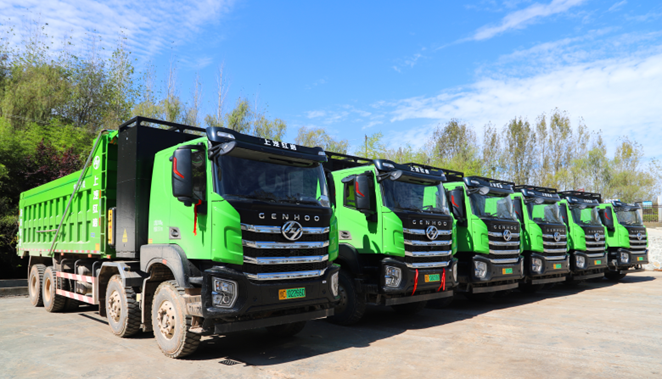
Additionally, as O’Keefe pointed out, “Ore stockpiles have also been enclosed and several dust control facilities have been added to improve local air quality. [Silvercorp] has also brought in a fleet of EV haul trucks.”

EV haul truck fleet at Ying. SILVERCORP METALS

Future Mine Developments

Nicolas Dion, an Institutional Equities Research Analyst with Toronto-based investment bank Cormark Securities was also on the visit. 

“We see upside at Ying from exploration, including extensions of known veins and the discovery of new ones on the property,” stated Dion. “We note again that many of the gold veins currently being mined are outside the current reserve/resource … and see this as an opportunity to expand on.”

One of those opportunities that Silvercorp is advancing is Kuanping, a satellite deposit located 30 km from Ying that will be the eighth underground mine of this hub-and-spoke operation. Currently outside of the resource and mine plan, it was acquired by the company in 2021 for US$13.5 million.  Over 800m of underground development has already been completed at Kuanping, with first production expected in 2026. 

Both analysts noted that Silvercorp is moving to a more mechanized mining at Ying, something that should reduce labour costs and lead to higher productivity.

The analysts were told that Silvercorp has already begun addressing the need for higher efficiencies at Ying by replacing access and haulage shafts with ramps, allowing for the use of higher capacity trackless vehicles. Additionally, the company is adopting more productive mining methods, like shrinkage and long-hole stoping, and less cut-and-fill reusing.

Underground at the LM7 vein, mined using long-hole stoping SILVERCORP METALS

“Further, there remain other deposits nearby which could come up for auction by the government and be added to the hub-and-spoke,” commented Dion.

He added that if mining rates warranted it, these additional deposits could lead to the construction of a third production mill at Ying, the site of which he said has already been cleared and leveled.

As silver continues its strong momentum, O’Keefe is bullish on the future of Ying: “While we continue to model the guided growth that will see AgEq (Ag+Au) production at Ying increase from about 7.3 MMoz AgEq in FY2026 to about 9.1 MMoz AgEq in FY2028, there is scope to see this grow even further.”

After visiting the Ying site and reviewing material provided by Silvercorp, both analysts gave the Vancouver miner a buy recommendation, with a one-year target price in the range of C$13-13.50 (US$9.20-9.50).

Like his colleague Matthew O’Keefe, Nicolas Dion summed up his experience on the site visit quite simply: “We were impressed by the scale of Ying.”

For more information about Silvercorp, please visit silvercorpmetals.com/welcome.

The latest news and updates relating to SVM are available in the company’s newsroom at https://ibn.fm/SVM

Bolivia’s Political Reset Opens a New Chapter for Mining, Representing Fresh Opportunities for Pacific Metals Corp. (NYSE American: NEWP) (TSX: NUAG)

Disseminated on behalf of New Pacific Metals Corp. (NYSE American: NEWP) (TSX: NUAG) and includes paid advertisement.

  • Bolivia’s new government is signaling a decisive shift toward market openness, foreign partnerships, and investment protection after years of regulatory stagnation.
  • President Rodrigo Paz and Finance Minister José Gabriel Espinoza have emphasized legal security, pro-investment policies, and reducing state barriers to business.
  • The political reset could reshape conditions for New Pacific Metals, which owns two of the world’s largest undeveloped open-pittable silver deposits.
  • New Pacific’s Silver Sand and Carangas projects together have the potential to produce nearly 19 million ounces of silver annually, depending on future permitting and development decisions.
  • The country remains underexplored, offering significant upside if the government follows through on reforms, leaving permitting timelines as the primary question for investors.

Bolivia has been synonymous with mining for centuries, home to Cerro Rico, once the most productive silver mine in the world and a major financial engine of the Spanish empire. Today, it ranks among the top global silver producers and holds some of the world’s largest lithium reserves. Yet despite its mineral endowment, modern investment has moved cautiously. A decade of political uncertainty, slow permitting processes, and inconsistent regulation has limited foreign capital inflows and constrained development of new large-scale projects.

This may now be changing, spelling good news for companies such as New Pacific Metals (NYSE American: NEWP) (TSX: NUAG), an exploration and development company focused on advancing two primary assets in Bolivia: the Silver Sand and Carangas projects.

The inauguration of President Rodrigo Paz earlier this month has reordered the country’s political and economic priorities. Paz outlined a reformist agenda built on “positioning Bolivia in the world,” promoting what he described as “capitalism for everyone,” reducing state bureaucracy, and empowering regional governments. His administration quickly moved to rebuild diplomatic ties with the United States, signaling an intent to reengage with international markets and multilateral institutions (https://ibn.fm/jQUQm).

“We want investments to return, and Bolivia’s doors open to the world,” Finance Minister José Gabriel Espinoza said during a recent business event. The former central bank director emphasized legal stability and full government support for private contracts, pledging a shift from adversarial to collaborative relations with investors.

For the mining sector, a cornerstone of Bolivia’s export economy, this shift could be transformative (https://ibn.fm/PXlQp). Bolivia’s fiscal challenges, exacerbated by declining gas revenues, have heightened the urgency for new economic drivers. Mining is an obvious candidate. Although the country remains the world’s fourth-largest silver producer, much of its mineral-rich territory remains underexplored. Major operations such as Sumitomo’s San Cristóbal and Pan American Silver’s San Vicente have demonstrated that modern mining investment can operate successfully in the country with appropriate governmental frameworks.

If the new administration follows through on its policy reset, Bolivia could reposition itself as a competitive Andean mining jurisdiction, drawing comparisons to Peru or northern Chile rather than being viewed as a high-barrier outlier.

This would have immediate implications for companies already operating in the country, particularly those holding late-stage assets. New Pacific Metals is one of the most exposed, and potentially most leveraged, public companies to Bolivia’s policy trajectory.

The company controls two of the world’s most significant undeveloped open-pittable silver projects: Silver Sand and Carangas, both located in the country’s mineral-rich highlands. Technical reports published last year by Silvercorp Metals, one of New Pacific’s largest shareholders, showcased solid project economics under conventional mining assumptions.

Silver Sand has the potential to produce around 12 million ounces of silver annually, while Carangas could add approximately 6.5 million ounces. Combined, they represent more annual silver output than many established global producers.

These production figures are conceptual and dependent on future permitting and financing. Yet they demonstrate scale, something increasingly scarce in the global silver industry, where mature producers have been forced to diversify into gold due to a shortage of new primary silver assets. The presence of two major shareholders, Silvercorp Metals (28%) and Pan American Silver (12%), reflects institutional confidence in the long-term potential of these assets despite jurisdictional complexities. 

Bolivia’s political pivot toward the center represents the most significant economic policy reset in over a decade. Early signals, diplomatic outreach, pro-market rhetoric, and commitments to legal stability, have been welcomed by the business community. But mining investors will look for measurable indicators: faster permit processing, regulatory consistency, and durable institutional decision-making.

If these reforms take hold, companies with established Bolivian footprints, particularly New Pacific Metals, stand to benefit from renewed investor interest and potential development momentum.

For more information, visit the company’s website at www.NewPacificMetals.com.

NOTE TO INVESTORS: The latest news and updates relating to NEWP are available in the company’s newsroom at https://ibn.fm/NEWP

Datavault AI Inc. (NASDAQ: DVLT) CEO Featured in Interview Noting AI Growth, Challenges

  • CEO Nathaniel Bradley discussed the broader AI, cybersecurity landscape while offering insight into how rapidly evolving technology is impacting enterprise priorities.
  • AI scarcity is contributing to a widening divide between organizations with advanced AI capabilities and those still struggling to adopt the technology.
  • Bradley also addressed the critical link between AI expansion and cybersecurity.

Artificial intelligence (“AI”) is accelerating across nearly every sector, reshaping how companies innovate, compete, and protect their digital assets. Datavault AI Inc. (NASDAQ: DVLT), a data-centric enterprise AI company, is working to ensure organizations of all sizes can deploy, secure and scale AI systems built on trustworthy data. The company’s platform helps transform fragmented, unstructured information into actionable digital assets, enabling businesses to implement AI more efficiently and responsibly.

In a recent Schwab Network interview, Datavault AI CEO Nathaniel Bradley discussed the broader AI and cybersecurity landscape while offering insight into how rapidly evolving technology is influencing enterprise priorities. When asked about the surge in AI-driven workloads and the growing demand on data-center infrastructure, Bradley noted that today’s environment is placing unprecedented strain on companies’ budgets and strategies. He pointed out that major players such as NVIDIA and others supporting AI infrastructure are “feasting on this scarcity around GPUs, around memory, around all of the components of network operating centers,” adding that “all of these are under great demand, and you’re going to see scarcity drive price points in there.”

That scarcity, he explained, is contributing to a widening divide between organizations with advanced AI capabilities and those still struggling to adopt the technology. “There is a have and have nots around this AI. It’s very elitist to start with,” Bradley said during the interview. “You know, the top, the richest companies in the world are using AI at a level you wouldn’t believe right now.” His comments underscore a challenge he has frequently highlighted: the need for enterprise-ready platforms that give companies secure, scalable, affordable access to AI without the risks associated with consumer-grade tools.

Bradley also addressed the critical link between AI expansion and cybersecurity. As he explained, as businesses adopt AI, “the quality of what we’re protecting with cybersecurity has increased,” making cybersecurity “at the forefront of the decision making of all executives right now in terms of how to grow scalable systems online.” His remarks echo a central theme of Datavault AI’s own strategy: AI is only as strong as the integrity, structur and security of the data powering it.

Building on these challenges, Datavault AI is positioning itself as a company focused on solving precisely these pain points. Datavault AI provides a unified platform that transforms raw, unstructured and siloed information into structured digital assets capable of powering analytics, automation and AI-driven decision systems. The platform integrates data ingestion, normalization, governance, security and AI automation into a single architecture, helping companies transition more quickly from legacy systems to modern AI-enabled operations.

Datavault AI’s data-asset model allows companies to create proprietary “vaults” of trusted, organization-owned data. This approach stands in contrast to many public AI tools that rely heavily on user-submitted prompts and content. Bradley’s comments in the interview touched on this directly, noting that many “free versions are very intrusive and take a lot from consumers and from users,” prompting a trend toward “stovepiping AI into the control of companies.”

Datavault AI’s platform is designed to give enterprises full control of data ownership, residency, compliance and usage, which are foundational elements for safe and responsible AI deployment. Beyond data control, Datavault AI provides tools for predictive modeling, AI-assisted analytics, machine-learning deployment and data-driven automation. By consolidating these capabilities, the company aims to eliminate the fragmentation that often slows AI adoption.

Bradley’s repeated emphasis on platform-based strategies throughout the interview aligns with this vision, particularly when he observed that leading technology companies succeed by integrating functionality. “Platform always wins,” he said when discussing how integrated approaches outperform scattered solutions.

Datavault AI is also targeting industries heavily impacted by the explosion of AI demand, including cybersecurity, finance, retail, logistics and enterprise IT, by offering a pathway for organizations that lack the massive budgets or infrastructure of the “richest companies” currently leading the AI race. By giving these businesses structured, compliant, AI-ready data, Datavault AI aims to close that access gap and empower companies to build scalable systems with the same sophistication as the largest firms.

As AI continues reshaping workloads, infrastructure and security demands, Datavault AI is positioning itself to serve as a foundational enabler for organizations navigating this transformation. Bradley’s Schwab Network interview makes clear that the company’s commitment is not only to innovate within AI but also to help ensure a broader, more equitable adoption of the technology. With its focus on secure data transformation, enterprise-grade AI tools and platform-based integration, Datavault AI is continuing to build toward a leadership position in the next era of intelligent, data-driven operations.

For more information, visit www.DVLT.ai.

NOTE TO INVESTORS: The latest news and updates relating to DVLT are available in the company’s newsroom at https://ibn.fm/DVLT

From Our Blog

Automation Without the Capital Expense: The Economics of RaaS Deployment

March 25, 2026

As artificial intelligence and robotics transition from experimental innovation into real-world deployment, the economics of automation are undergoing a fundamental transformation. Nightfood Holdings Inc. (OTCQB: NGTF), acting through its subsidiary TechForce Robotics, is leveraging this evolution by advancing RaaSP, a platform that eliminates a major impediment to adoption: upfront capital expense (ibn.fm/bmrvL). Within the past […]

Rotate your device 90° to view site.